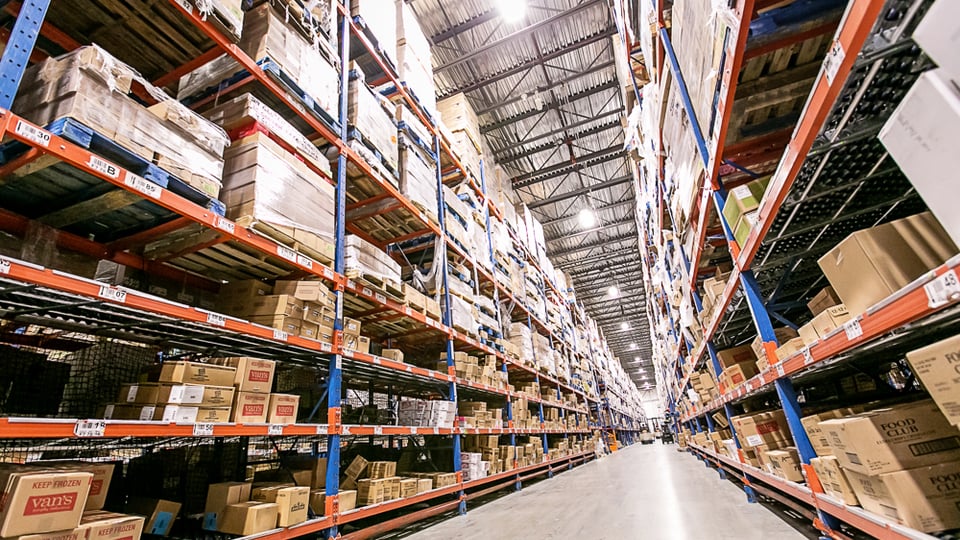
In a fast-paced warehouse or distribution center environment, keeping inventory moving smoothly is the difference between profitability and waste. That’s where First-In, First-Out (FIFO) comes in. By ensuring the oldest inventory is picked or shipped before newer stock, businesses can cut losses, improve efficiency, and provide more reliable service.
For some industries, FIFO isn’t optional; it’s survival. Food and beverage companies live or die by expiration dates. Pharmaceuticals and electronics face strict safety, warranty, and traceability requirements. Automotive and manufacturing parts risk obsolescence if they sit too long on the shelf. Without FIFO, these operations invite spoilage, compliance failures, and costly write-offs.
At UNEX, we’ve seen firsthand how a strong FIFO strategy transforms operations across industries. Yet, implementing FIFO isn’t just about moving boxes in the right order. It’s about designing systems, training teams, and putting best practices in place that make FIFO second nature in day-to-day workflows.
Why FIFO Matters: The Benefits for Warehouses
FIFO isn’t just a buzzword; it’s a foundation of effective inventory management. Let’s break down some of the most important benefits warehouses gain when FIFO is part of their strategy.
1. Reduce Waste and Spoilage
For perishable goods, FIFO ensures that older items are always shipped first, reducing the risk of expired stock. But even non-perishables can become obsolete. Think electronics with time-sensitive warranties or packaging changes that make “old” versions harder to sell. FIFO minimizes those risks and helps businesses avoid unnecessary losses. In some industries, FIFO is paired with First Expired, First Out (FEFO) to prioritize expiration dates directly, further strengthening compliance.
2. Improve Order Accuracy and Efficiency
An organized FIFO system helps pickers quickly identify the right product without digging through piles of inventory. With less confusion, picking errors drop and productivity climbs. For operations where accuracy directly ties to customer satisfaction, FIFO provides a measurable advantage.
3. Maximize Storage Space and Reduce Carrying Costs
FIFO requires intentional organization. That organization prevents stockpiling or forgotten items that waste valuable square footage within a warehouse. Facilities that adopt FIFO often find they can handle higher volumes without expanding their footprint, an essential benefit in today’s high-cost industrial real estate market. By ensuring stock rotates quickly, FIFO also reduces carrying costs, keeping capital from being tied up in inventory that sits stagnant.
4. Enhance Worker Safety and Ergonomics
A well-designed FIFO system keeps products accessible and prevents unsafe movements. Instead of bending, lifting, or shifting heavy items to reach older stock, workers can pick efficiently from designated locations. The result: faster throughput and fewer injuries.
5. Support Compliance and Traceability
FIFO isn’t just an operational advantage; it’s often a compliance requirement. Whether it’s FDA regulations for food and pharmaceuticals or industry standards for serialized goods, FIFO makes it easier to trace products through the supply chain and respond quickly in the event of a recall.
The Challenges FIFO Solves for Warehouses
FIFO directly addresses some of the most persistent headaches in warehouse management. Without it, businesses often struggle with:
- Inventory visibility issues: Products get buried in storage, leading to costly write-offs.
- Order accuracy problems: Without a clear flow, pickers can grab the wrong item or the wrong lot.
- Overstocking and understocking risks: Inventory isn’t rotated properly, leaving shelves crowded with unsellable products while new orders pile in.
- Labor inefficiency: Workers spend too much time searching for the right stock instead of fulfilling orders.
By solving these challenges, FIFO becomes more than a best practice; it becomes a competitive advantage.
Best Practices for Implementing FIFO in a Warehouse
Building an effective FIFO system takes more than intention. It requires discipline, visibility, and a layout that supports the flow of goods. These best practices help facilities achieve consistent results:
1. Clear Labeling and Signage
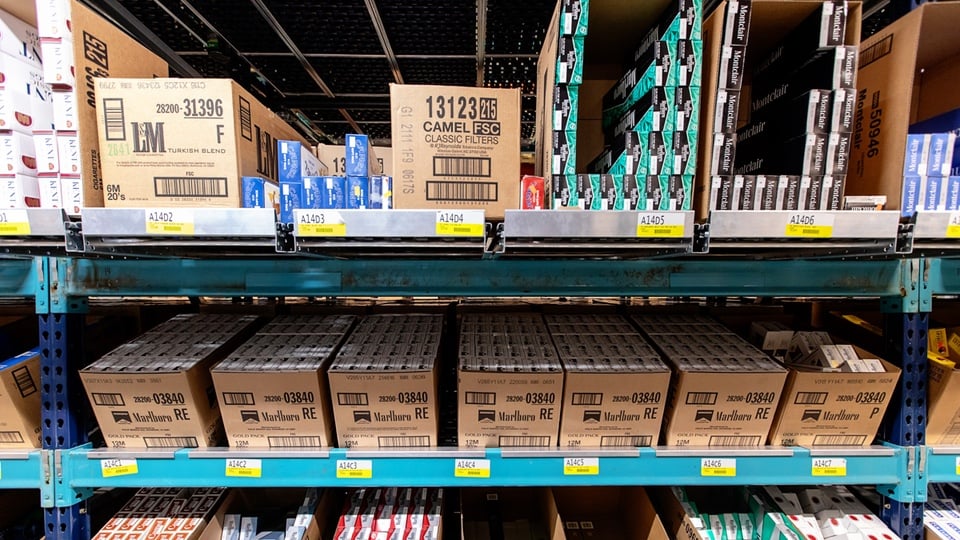
Labeling is one of the simplest yet most effective ways to reinforce FIFO. Products should be marked with expiration dates, received dates, or lot numbers that make it obvious which items should move first. Pair labels with clear signage in storage areas to help pickers follow FIFO without second-guessing.
And don’t forget: FIFO applies across packaging types. Whether it’s cartons, bottles, cans, or frozen products, clear labeling and good visibility ensure older stock is picked before newer arrivals.
2. Slot by Velocity
Not all products move at the same pace. High-velocity SKUs need to be positioned for quick, frequent access, while slower-moving items can sit further back. Slotting by velocity reduces congestion and keeps FIFO practical without slowing operations.
3. Train Teams Thoroughly
Even the most elegant system fails without buy-in from the people who use it every day. Regular training ensures employees understand not just the what of FIFO, but the why. Connecting FIFO to reduced errors, less rework, and safer processes helps build accountability.
4. Leverage Technology
Barcodes, scanners, and warehouse management systems (WMS) add an extra layer of enforcement to FIFO. Technology makes it easier to track inventory movement, flag exceptions, and guide employees toward correct picks.
5. Standardize Workflows
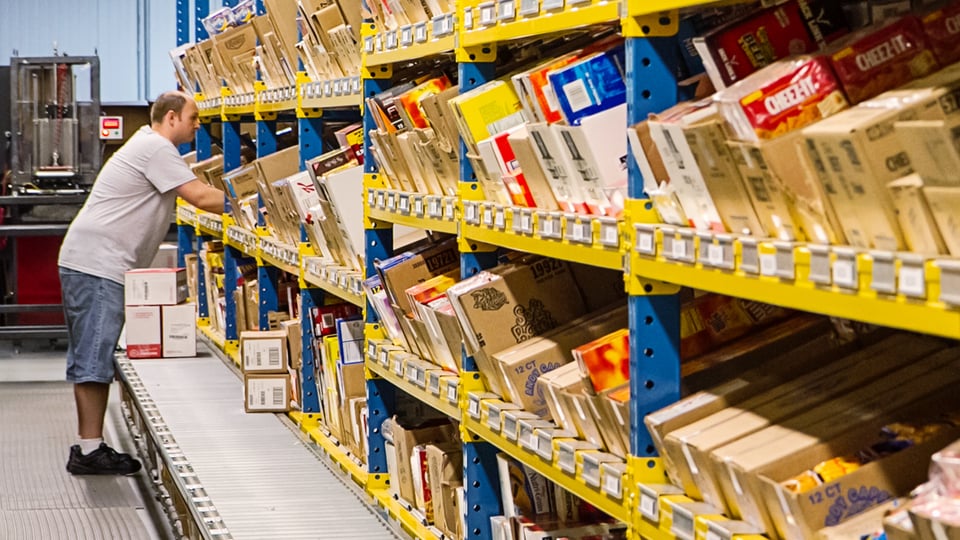
Replenishment and picking should follow a consistent pattern: stock enters from the back, and workers pick from the front. Standardized workflows reduce confusion, especially when teams scale or turnover increases.
Together, these practices create a strong foundation for FIFO. But to truly lock in the benefits, warehouses need physical systems designed to support the flow.
UNEX Solutions that Make FIFO Simple
Best practices provide the roadmap, but execution often depends on having the right tools in place. That’s where UNEX comes in. Our engineered solutions are designed to make FIFO effortless, reliable, and scalable.
SpanTrack Carton Flow Racks
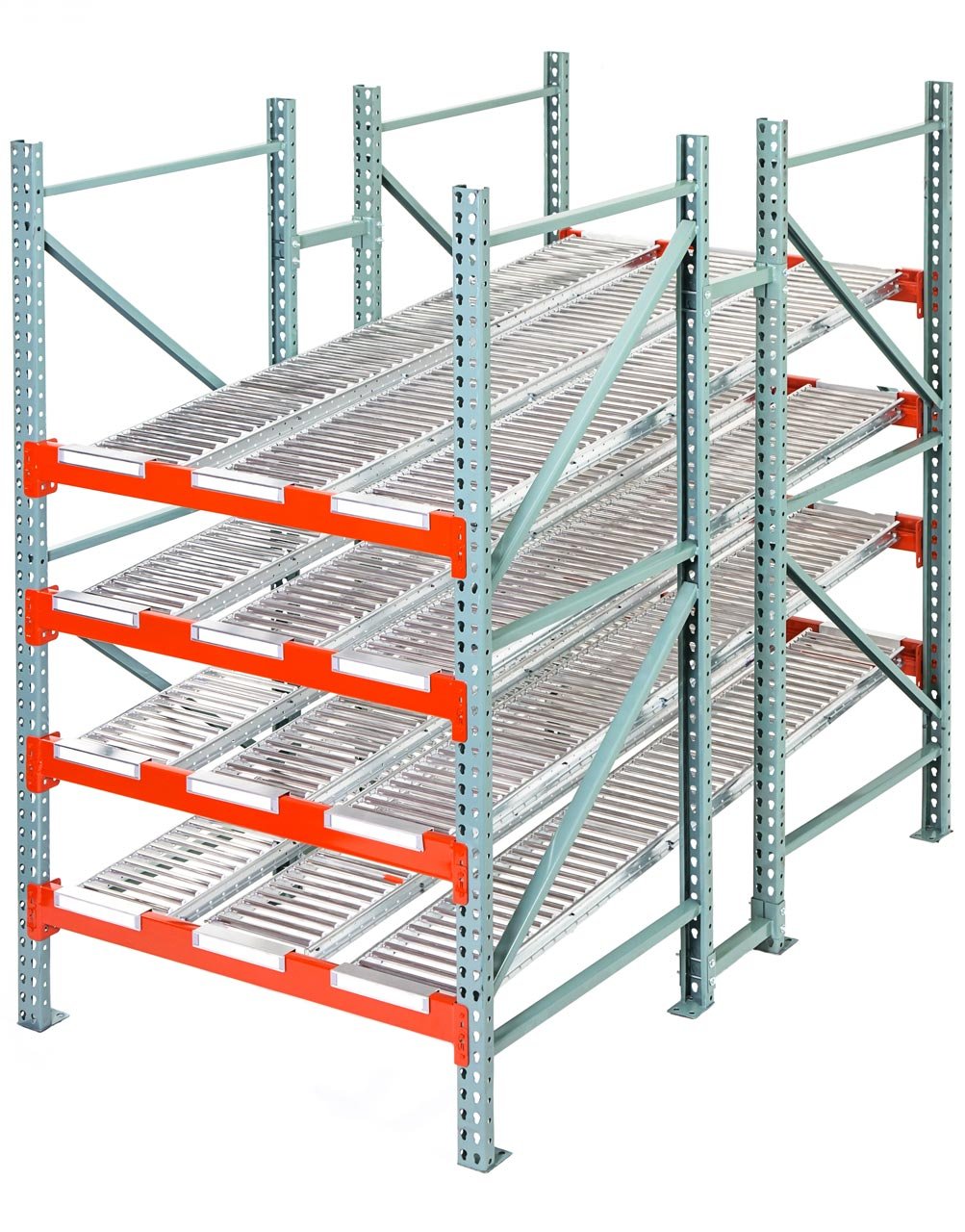
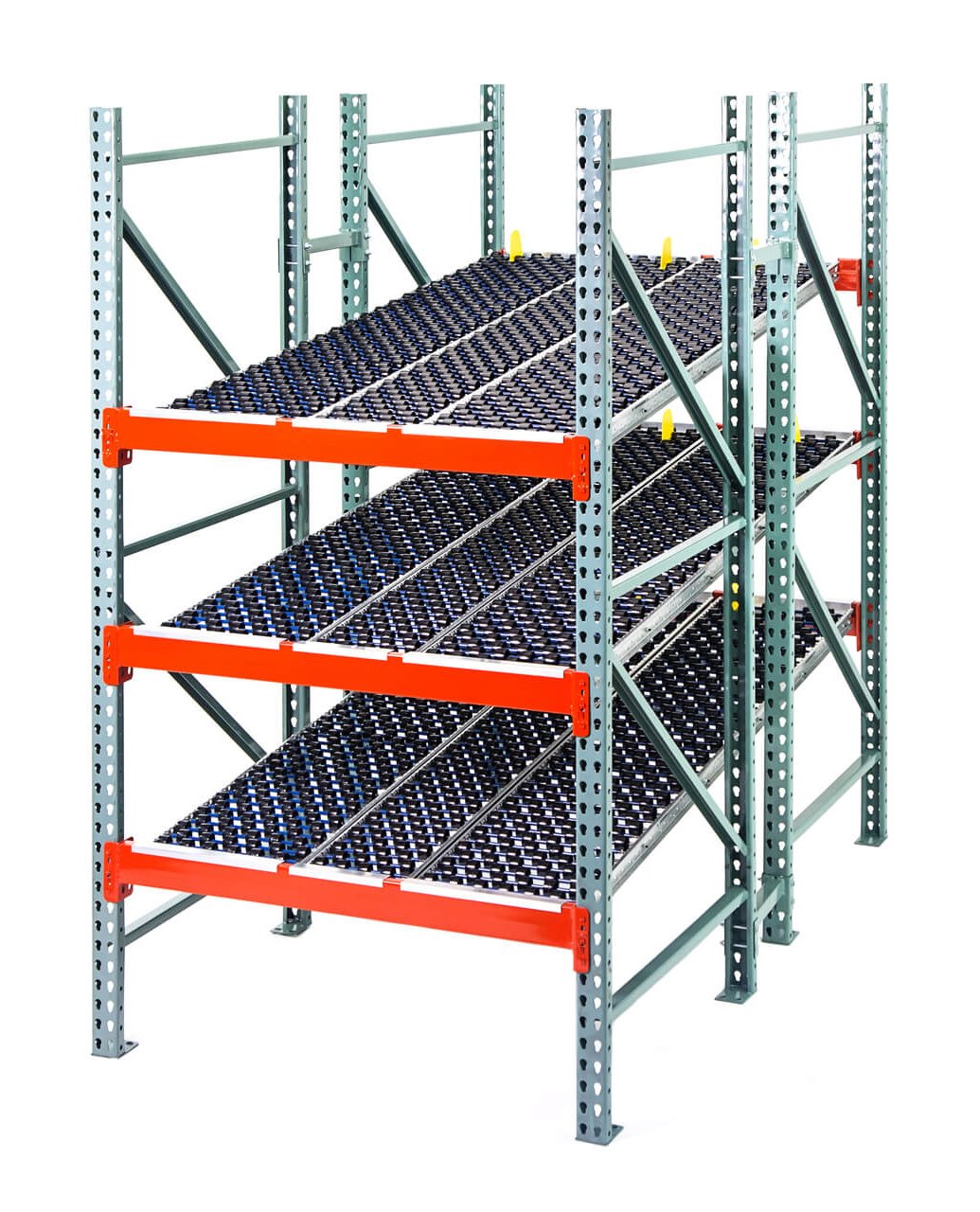
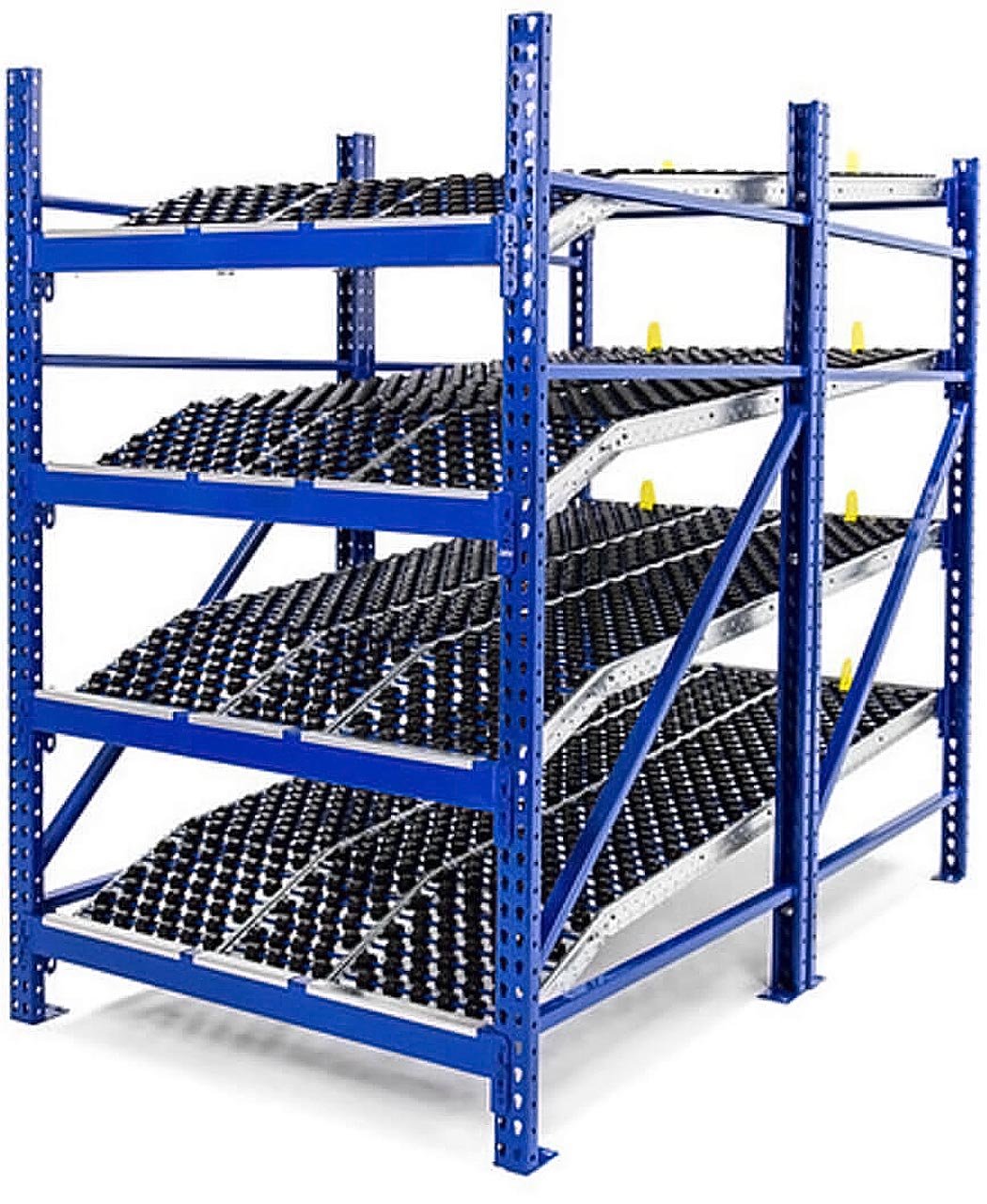
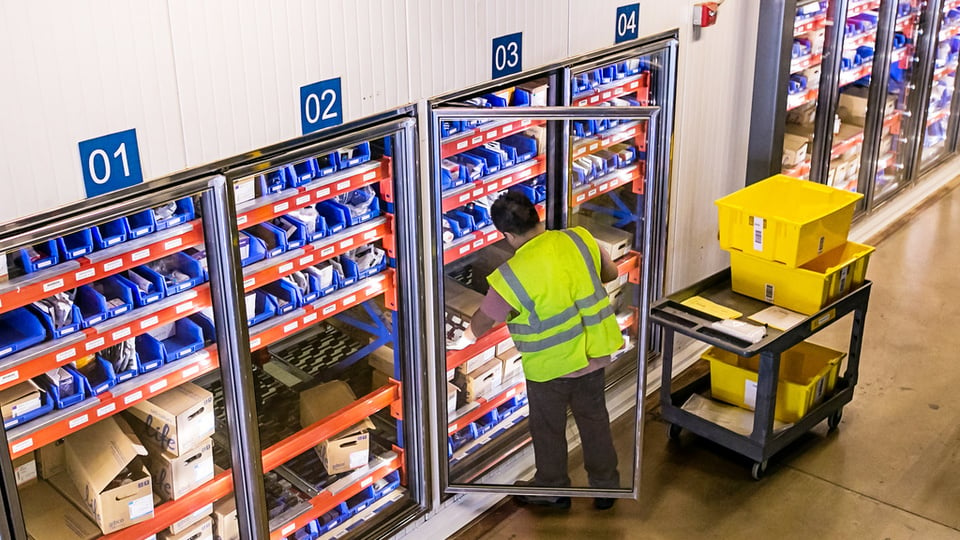
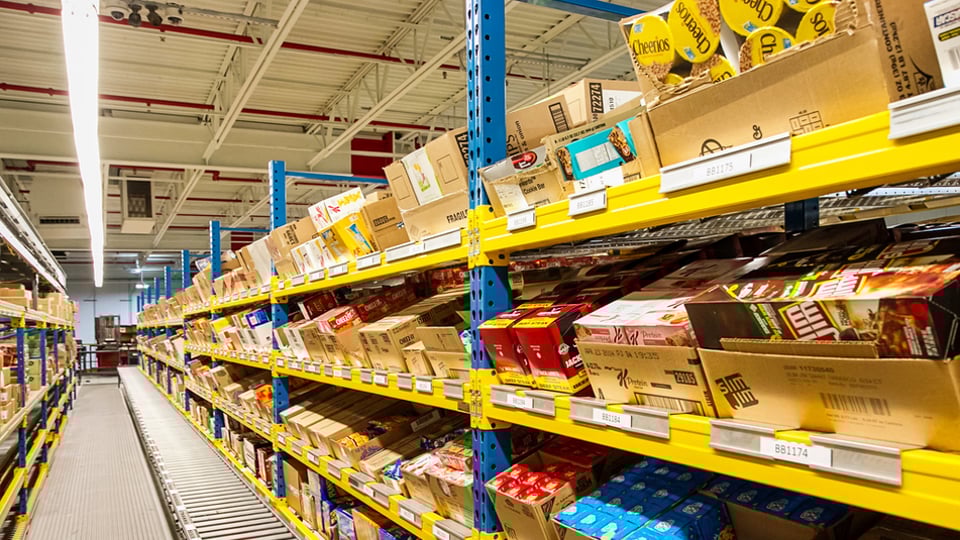
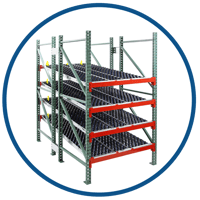 Using carton flow racks automatically ensures proper FIFO rotation. With carton flow racks, the oldest products are picked from the front as newer products, stocked from the rear, roll forward. Efficiency improves because restocking and picking can occur simultaneously. Carton flow keeps products organized, within reach, and fully visible, making inventory easy to monitor.
SpanTrack Lane Carton Flow Rollers and Wheels Beds are built for FIFO. Loaded from the back and picked from the front, they ensure that the first item stocked is the first item picked. When stocked in order of expiration, fresh products slide forward to replace the picked item, saving workers time.

Pallet Storage
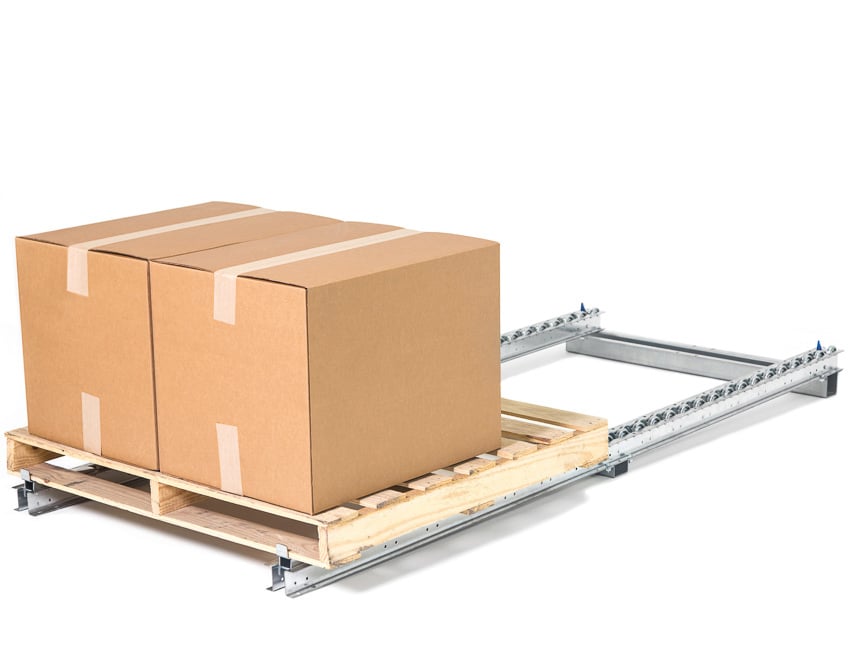
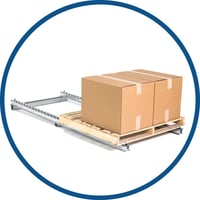 For healthy FIFO pallet rotation, durable pallet track rollers or wheel rails provide a proven solution. Wheeled rails or tracks allow pallets to tilt downward, moving them from the loading side to the unloading side automatically.
With pallet tracks, the oldest pallet is always the first one removed. Systems like UNEX Pallet Track can be mounted directly to the floor or supported by pallet rack beams, offering flexibility for any warehouse layout. These systems increase storage density, minimize stock handling, and maximize space utilization, all while embedding FIFO directly into pallet storage.
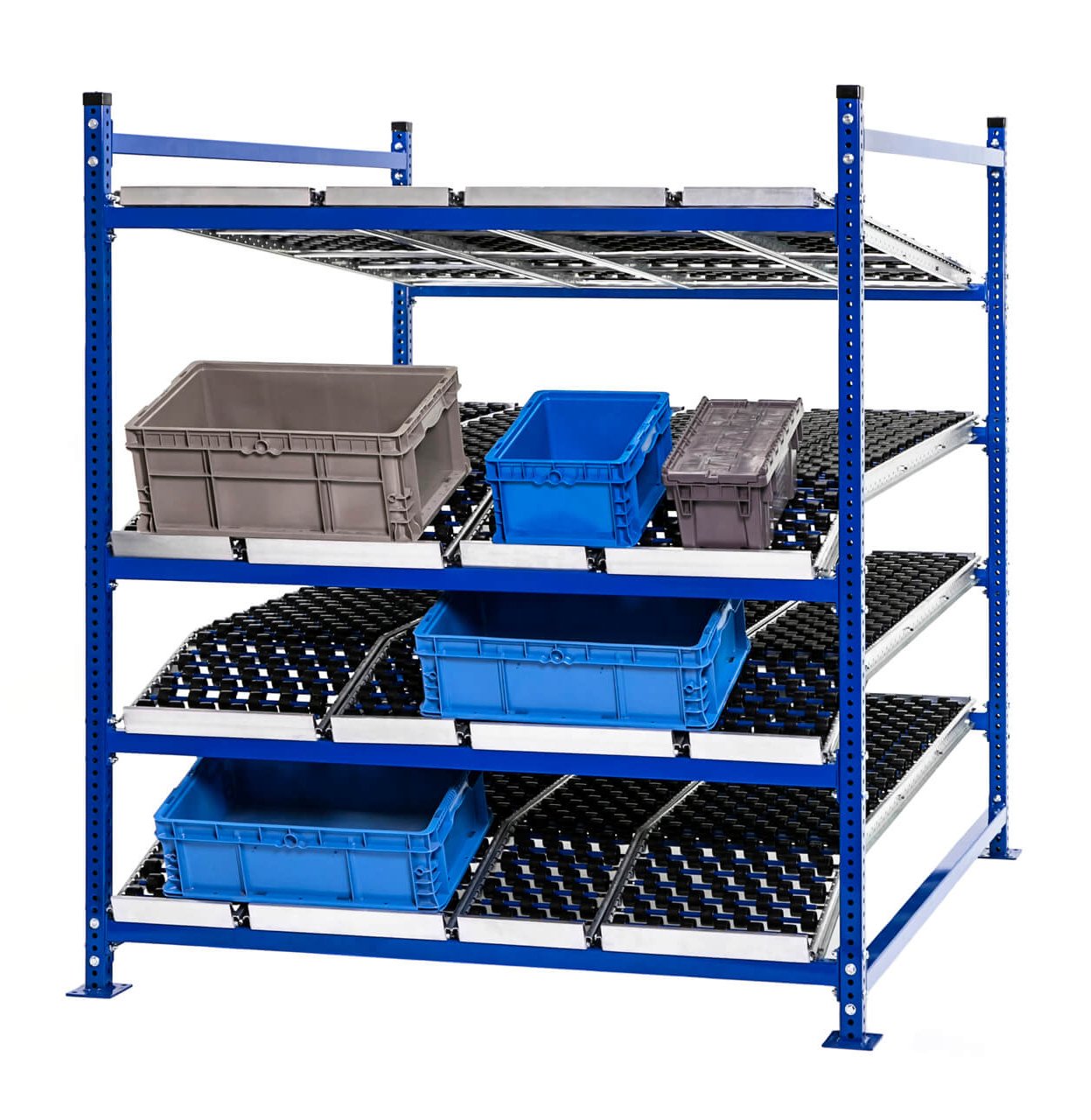
Roller Rack Gravity Flow Racks
 Standalone structures like gravity flow racks create high-density FIFO storage that works across industries. Inventory replenishment happens from the back, guaranteeing stock rotation without interrupting the pick line in the front.
Gravity flow racks also improve visibility, free up warehouse space for additional SKUs, and reduce worker strain. Denser than traditional pallet rack storage, they can cut picker travel time by up to 80%. For distribution, manufacturing, and retail environments that need carton flow without pallet storage above, UNEX Roller Rack is a ready-to-roll solution.
Optimize Your FIFO Strategy With UNEX
Implementing FIFO isn’t just about moving stock in the right order. It’s about designing smarter systems that reduce waste, improve accuracy, and keep workers safe. By combining best practices like clear labeling, smart slotting, and standardized workflows with proven dynamic storage solutions, warehouses can make FIFO a seamless part of their operations.
At UNEX, we specialize in creating storage systems that don’t just support FIFO but make it second nature. Whether you’re handling pallets, cases, or each picks, our solutions are engineered to maximize efficiency and space while keeping your products flowing in the right direction.
Ready to optimize your warehouse with FIFO? Download our Guide to Optimizing Warehouse Space Utilization or contact UNEX to design a custom solution for your operation.