---
title: How to Create a Smarter Subassembly Line with Modular Workstations
description: Discover how modular workstation solutions like UNEX FlowCell make subassembly smarter, leaner, and more ergonomic for modern manufacturing.
image: https://blog.unex.com/hubfs/ergonomic%20industrial%20workstation%20for%20manufacturing%20assembly.jpg
---
[Skip to content](https://blog.unex.com/subassembly-solutions#main-content)
[](https://www.unex.com/)
- [Applications](https://www.unex.com/applications)
- Storage
- [Warehouse Storage](https://www.unex.com/applications/storage/warehouse-storage)
- [Storage for 3PLs](https://www.unex.com/applications/storage/storage-3pls)
- [Retail Storage Solutions](https://www.unex.com/applications/storage/retail-storage)
- [Lineside Storage](https://www.unex.com/applications/packing-assembly/lineside-storage)
- [Beverage Storage](https://www.unex.com/applications/storage/beverage-storage)
- [Keg Storage](https://www.unex.com/applications/storage/keg-storage)
- Picking
- [Order Picking](https://www.unex.com/applications/picking/order-picking)
- [Case Picking](https://www.unex.com/applications/picking/case-picking)
- [Each Picking](https://www.unex.com/applications/picking/each-picking)
- [Picking Carts](https://www.unex.com/applications/picking/picking-carts)
- [Pick Module](https://www.unex.com/applications/picking/pick-module)
- Packing & Assembly
- [Industrial Carts](https://www.unex.com/applications/packing-assembly/industrial-carts)
- [Packing Stations](https://www.unex.com/applications/packing-assembly/packing-station)
- [Industrial Workstations](https://www.unex.com/applications/packing-assembly/industrial-workstations)
- [Manufacturing Supermarkets](https://www.unex.com/applications/packing-assembly/manufacturing-supermarkets)
- [Solutions](https://www.unex.com/solutions)
- [Carton Flow](https://www.unex.com/solutions/carton-flow)
- [SpanTrack Lane](https://www.unex.com/solutions/carton-flow/spantrack-lane)
- [SpanTrack Wheel Bed](https://www.unex.com/solutions/carton-flow/spantrack-wheel-bed)
- [SpanTrack Keg Flow](https://www.unex.com/solutions/carton-flow/spantrack-keg-flow)
- [Shelf Track](https://www.unex.com/solutions/carton-flow/shelf-track)
- [Flow Racks](https://www.unex.com/solutions/flow-racks)
- [FlowCell](https://www.unex.com/solutions/flow-racks/flowcell)
- [Roller Rack](https://www.unex.com/solutions/flow-racks/roller-rack)
- [High-Density Storage](https://www.unex.com/solutions/high-density-storage)
- [SpeedCell](https://www.unex.com/solutions/high-density-storage/speedcell)
- [SpeedCartt](https://www.unex.com/solutions/high-density-storage/speedcartt)
- [Pick Shelves](https://www.unex.com/solutions/high-density-storage/pick-shelves)
- [Conveyors](https://www.unex.com/solutions/conveyors)
- [Gravity Conveyor](https://www.unex.com/solutions/conveyors/gravity-conveyors)
- [Pallet Track](https://www.unex.com/solutions/conveyors/pallet-track)
- [About](https://www.unex.com/about)
- [Resources](https://www.unex.com/resources)
- [Blog](https://blog.unex.com)
- [Press Releases](https://blog.unex.com/press-releases)
- [Guides](https://www.unex.com/resources/guides)
- [Product Brochures](https://www.unex.com/resources/product-brochures)
- [Installation Guides](https://www.unex.com/resources/installation-guides)
- [Case Studies](https://www.unex.com/resources/case-studies)
- [FAQs](https://go.unex.com/faq)
[Contact Us](https://www.unex.com/contact) [Build a Solution](https://www.unex.com/configurator)
- [Applications](https://www.unex.com/applications)
- Storage
- [Warehouse Storage](https://www.unex.com/applications/storage/warehouse-storage)
- [Storage for 3PLs](https://www.unex.com/applications/storage/storage-3pls)
- [Retail Storage Solutions](https://www.unex.com/applications/storage/retail-storage)
- [Lineside Storage](https://www.unex.com/applications/packing-assembly/lineside-storage)
- [Beverage Storage](https://www.unex.com/applications/storage/beverage-storage)
- [Keg Storage](https://www.unex.com/applications/storage/keg-storage)
- Picking
- [Order Picking](https://www.unex.com/applications/picking/order-picking)
- [Case Picking](https://www.unex.com/applications/picking/case-picking)
- [Each Picking](https://www.unex.com/applications/picking/each-picking)
- [Picking Carts](https://www.unex.com/applications/picking/picking-carts)
- [Pick Module](https://www.unex.com/applications/picking/pick-module)
- Packing & Assembly
- [Industrial Carts](https://www.unex.com/applications/packing-assembly/industrial-carts)
- [Packing Stations](https://www.unex.com/applications/packing-assembly/packing-station)
- [Industrial Workstations](https://www.unex.com/applications/packing-assembly/industrial-workstations)
- [Manufacturing Supermarkets](https://www.unex.com/applications/packing-assembly/manufacturing-supermarkets)
- [Solutions](https://www.unex.com/solutions)
- [Carton Flow](https://www.unex.com/solutions/carton-flow)
- [SpanTrack Lane](https://www.unex.com/solutions/carton-flow/spantrack-lane)
- [SpanTrack Wheel Bed](https://www.unex.com/solutions/carton-flow/spantrack-wheel-bed)
- [SpanTrack Keg Flow](https://www.unex.com/solutions/carton-flow/spantrack-keg-flow)
- [Shelf Track](https://www.unex.com/solutions/carton-flow/shelf-track)
- [Flow Racks](https://www.unex.com/solutions/flow-racks)
- [FlowCell](https://www.unex.com/solutions/flow-racks/flowcell)
- [Roller Rack](https://www.unex.com/solutions/flow-racks/roller-rack)
- [High-Density Storage](https://www.unex.com/solutions/high-density-storage)
- [SpeedCell](https://www.unex.com/solutions/high-density-storage/speedcell)
- [SpeedCartt](https://www.unex.com/solutions/high-density-storage/speedcartt)
- [Pick Shelves](https://www.unex.com/solutions/high-density-storage/pick-shelves)
- [Conveyors](https://www.unex.com/solutions/conveyors)
- [Gravity Conveyor](https://www.unex.com/solutions/conveyors/gravity-conveyors)
- [Pallet Track](https://www.unex.com/solutions/conveyors/pallet-track)
- [About](https://www.unex.com/about)
- [Resources](https://www.unex.com/resources)
- [Blog](https://blog.unex.com)
- [Press Releases](https://blog.unex.com/press-releases)
- [Guides](https://www.unex.com/resources/guides)
- [Product Brochures](https://www.unex.com/resources/product-brochures)
- [Installation Guides](https://www.unex.com/resources/installation-guides)
- [Case Studies](https://www.unex.com/resources/case-studies)
- [FAQs](https://go.unex.com/faq)
[Contact Us](https://www.unex.com/contact) [Build a Solution](https://www.unex.com/configurator)
# How to Create a Smarter Subassembly Line with Modular Workstations

#### Key Takeaways
- Efficient subassembly keeps production lines moving. Organized subassembly workstations ensure parts and components are ready when needed, reducing bottlenecks, unnecessary movement, and delays that can disrupt downstream assembly operations.
- Modular, ergonomic workstations improve flexibility and productivity. Adaptable workstation designs help manufacturers accommodate changing product requirements, keep materials within easy reach, reduce worker fatigue, and maximize available floor space.
- Lean material flow supports smarter manufacturing. Combining modular workstations with gravity-fed carton flow, FIFO inventory management, and standardized processes helps manufacturers streamline replenishment, reduce wasted motion, and maintain consistent throughput.
In [manufacturing](https://www.unex.com/industries/manufacturing), change happens fast. Model mixes evolve, product lines expand, and customer demand for customization keeps rising. As a result, production teams are under constant pressure to assemble products faster, more accurately, and within constrained footprints.
Yet one critical step often holds everything back: subassembly.
[Subassembly areas](https://blog.unex.com/modular-workstations-assembly-more-efficient) combine smaller parts and components before they reach the main assembly line. When these zones are disorganized or inflexible, they create downstream bottlenecks, excess motion, and lost productivity. The smarter the subassembly process, the smoother the operation runs.
## Subassembly vs. Assembly Workstations
Picture an automobile assembly line. The engine block may drop directly onto the chassis, but that engine block is itself a subassembly. Hundreds of smaller components precisely fit together before reaching the line. Subassembly processes like these keep the main assembly flowing. When those smaller build areas are efficient, organized, and ergonomically designed, the entire operation benefits.
That’s the core difference between [subassembly and assembly workstations](https://www.unex.com/applications/packing-assembly/industrial-workstations).
- **Subassembly workstations** handle the smaller, intricate build processes such as preparing components, fasteners, or kits that will later be combined into a finished product. These areas rely on flexibility, organization, and ergonomic access to small parts and tools.
- **Assembly workstations**, on the other hand, are where these subassemblies meet the main product, often at higher volume and faster pace. The [assembly line](https://blog.unex.com/modular-workstations-assembly-more-efficient) depends on subassemblies to feed it efficiently, without delay.
A truly [smart manufacturing environment](https://blog.unex.com/2026-manufacturing-outlook-how-facilities-are-adapting-to-a-changing-landscape) integrates both seamlessly. Subassembly feeds the line just-in-time, with well-organized parts, clearly labeled totes, and ergonomic setups that keep workers efficient and safe. When subassembly flows, the entire assembly line benefits.
## What Makes a Subassembly Line “Smart”
A smart subassembly line combines three key traits: modularity, ergonomics, and flow.
Modularity means every workstation adapts to production changes without costly rebuilds. [Modular solutions](https://www.unex.com/solutions/flow-racks) can expand, contract, or rearrange as products and part sizes evolve, a major advantage for automotive and industrial manufacturers handling mid-model changes.
Ergonomics ensures workers can perform at their best. Studies show that ergonomic industrial workstations can [improve productivity by up to 27%](https://www.bostontec.com/integrate-ergonomics-in-manufacturing-with-lean-processes/) and reduce cycle time by 18%. Proper reach zones, angled pick trays, and adjustable work heights minimize strain and fatigue, directly impacting output quality.
Flow is where lean manufacturing comes alive. [FIFO storage](https://blog.unex.com/creating-fifo-storage-with-carton-flow-rack-systems) keeps replenishment and picking separate. Solutions like [SpanTrack carton flow racks](https://www.unex.com/solutions/carton-flow) prevent hang-ups and reduce wasted motion. The result: a continuous, predictable, and efficient process that minimizes downtime.
When these three elements work together, subassembly becomes a strategic advantage, not a constraint.
## Building a Smarter Subassembly Line
Creating a “smart” subassembly line isn’t about buying new equipment; it’s about designing for flexibility, flow, and people. Here’s how to start:
1. **Map and observe the current process.** [Identify how components move](https://blog.unex.com/the-role-of-kitting-in-lean-manufacturing) from storage to subassembly to the main line. Note any wasted steps, excess travel, or parts waiting for assembly.
2. **Identify ergonomic pain points.** Workers who bend, twist, or overreach are spending valuable time and energy on motion that doesn’t add value. Look for workstation designs that bring materials within reach.
3. **Apply lean principles to layout.** Use [the](https://blog.unex.com/what-is-5s-lean-manufacturing)[5S method](https://blog.unex.com/what-is-5s-lean-manufacturing) — Sort, Set in order, Shine, Standardize, Sustain — to keep subassembly areas organized and visually clear.
4. **Invest in modular workstation solutions.** Unlike fixed benches or pipe-and-joint racks, modular workstations like [UNEX FlowCell](https://www.unex.com/solutions/flow-racks/flowcell) can be easily reconfigured to meet changing product needs. FlowCell supports first-in, first-out (FIFO) inventory flow, tool storage, and adjustable work surfaces.
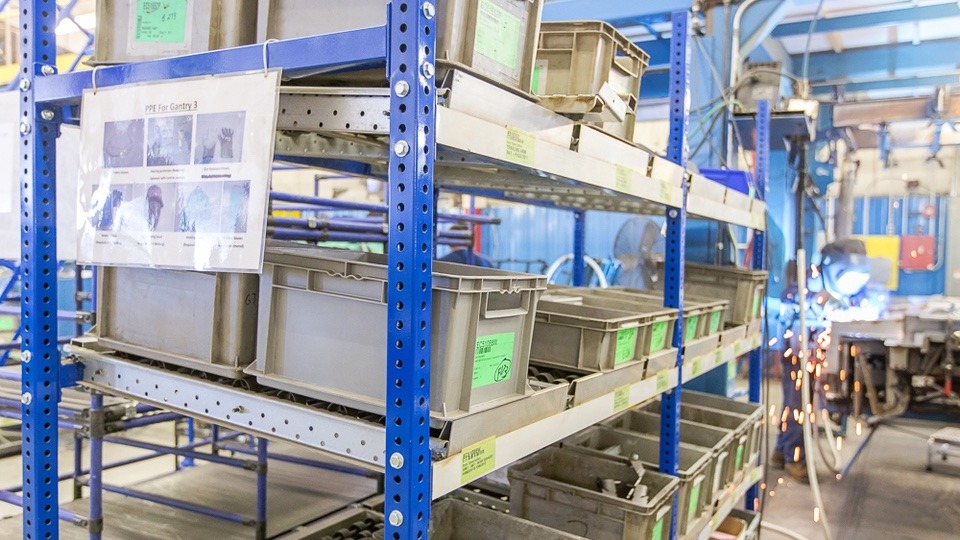
5. **Connect the flow.** Integrate [SpanTrack carton flow](https://www.unex.com/solutions/carton-flow) within [industrial workstations](https://www.unex.com/applications/packing-assembly/industrial-workstations) so parts move seamlessly to the point of use. Add return lanes for empty totes, pick trays for ergonomic access, and toolbars for lighting or overhead storage. Together, these keep the workspace clear, efficient, and safe.
6. **Standardize and continuously improve.** Use performance metrics such as cycle time, pick accuracy, and distance traveled to identify opportunities for continuous improvement.
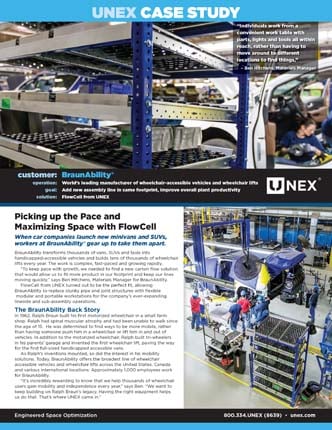
#### Learn how BraunAbility used FlowCell to fit more product in their existing footprint. Download the Case Study.
## UNEX Subassembly Solutions and Their Impact
Efficient subassembly isn’t just about process; it’s about having the right tools and systems to support flow, organization, and worker comfort. [Industrial workstation solutions](https://www.unex.com/applications/packing-assembly/industrial-workstations) make that possible.
### FlowCell Modular Workstations
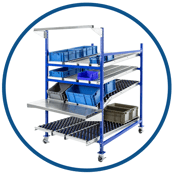Flexibility is at the heart of an efficient subassembly process. [UNEX FlowCell workstations](https://www.unex.com/applications/packing-assembly/industrial-workstations) are modular, durable, and designed to evolve with your production needs. They increase space utilization by up to 50% and improve productivity by up to 30% through ergonomic design and first-in, first-out (FIFO) inventory flow. Each unit can be customized with adjustable levels, toolbars, lighting, and work surfaces that bring efficiency directly to the point of assembly.
### SpanTrack Carton Flow Racks
To keep parts, kits, and totes moving smoothly, [SpanTrack Lane](https://www.unex.com/solutions/carton-flow/spantrack-lane) integrates seamlessly into [FlowCell](https://www.unex.com/solutions/flow-racks/flowcell) or existing rack systems. [SpanTrack](https://www.unex.com/solutions/carton-flow/spantrack-lane) delivers reliable, hang-up-free flow and keeps inventory rotating FIFO.
The result: parts arrive where and when they’re needed, keeping subassembly aligned with the pace of final assembly.
### The Real-World Impact
When combined, these [UNEX sub-assembly solutions](https://www.unex.com/applications/packing-assembly/industrial-workstations) create a smarter, safer, and more adaptable subassembly line. Manufacturers that implement modular, ergonomic workstations typically see:
- **30%+ faster cycle times** through reduced wasted motion and improved organization
- **Up to 50% better space utilization** by optimizing every inch of floor space
- **Fewer worker injuries and fatigue**, contributing to greater employee satisfaction and retention
- **Improved throughput** as parts flow seamlessly from subassembly to the main line
A [smarter subassembly line](https://blog.unex.com/modular-workstations-assembly-more-efficient) doesn’t just boost productivity; it builds resilience. With modular UNEX solutions, manufacturers can adapt to new model changes, increase throughput, and sustain lean efficiency for years to come.
## Smarter Subassembly Process with Workstations
By distinguishing subassembly from assembly, auditing your current processes, and implementing [modular workstation solutions](https://www.unex.com/applications/packing-assembly/industrial-workstations), manufacturers can build a foundation for continuous improvement.
Systems like [UNEX FlowCell](https://www.unex.com/solutions/flow-racks/flowcell) and [SpanTrack](https://www.unex.com/solutions/carton-flow/spantrack-lane) exemplify this approach, integrating ergonomic design, lean flow, and modular engineering into one cohesive system. When subassembly flows, everything else follows: reduced downtime, higher throughput, and a more empowered workforce.
Ready to get started? [Contact UNEX today](https://www.unex.com/contact) to see how a modular subassembly workstation can transform your production floor and keep your process flowing.
[](https://cta-redirect.hubspot.com/cta/redirect/4747213/5a2a0b0a-a030-4a8c-a466-3d7b430a5faf)
[Packing & Assembly](https://blog.unex.com/tag/packing-assembly)
## Related Blogs
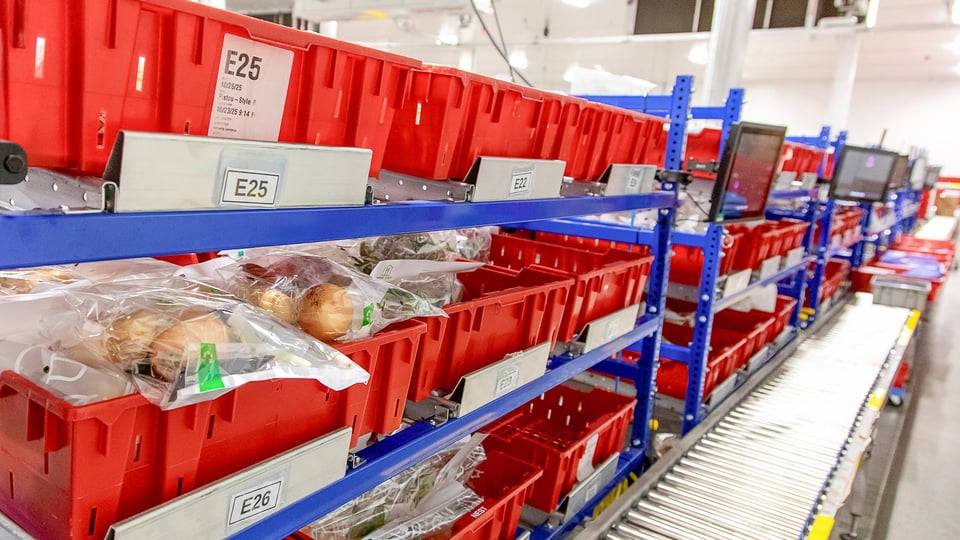
### How Meal Kit and Meal Delivery Operations Improve Accuracy With Flow Racks
[Read More](https://blog.unex.com/how-meal-kit-and-meal-delivery-operations-improve-accuracy-with-flow-racks)
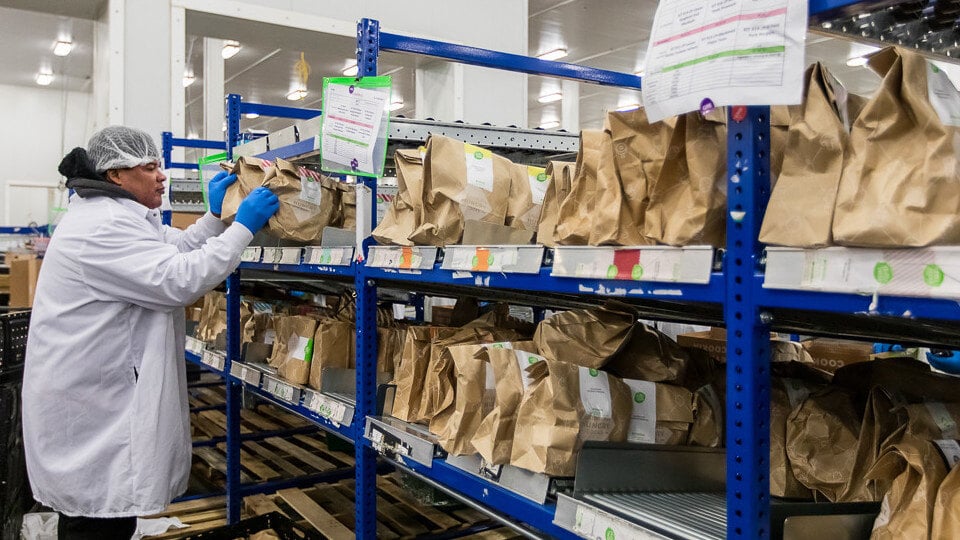
### Packing Stations 101: What They Are and Why They Matter in Order Fulfillment
[Read More](https://blog.unex.com/packing-stations-101-what-they-are-and-why-they-matter-in-order-fulfillment)
[](https://blog.unex.com/)
- - [Applications](https://www.unex.com/applications)
- [Storage](https://blog.unex.com/applications#storage)
- [Order Picking](https://blog.unex.com/applications#picking)
- [Packing & Assembly](https://blog.unex.com/applications#packing)
- [Solutions](https://www.unex.com/solutions)
- [Carton Flow](https://www.unex.com/solutions/carton-flow)
- [Flow Racks](https://www.unex.com/solutions/flow-racks)
- [High-Density Storage](https://www.unex.com/solutions/high-density-storage)
- [Conveyors](https://www.unex.com/solutions/conveyors)
- - Industries
- [Manufacturing](https://www.unex.com/industries/manufacturing)
- [Order Fulfillment & Warehousing](https://www.unex.com/industries/order-fulfillment-warehousing)
- [Retail](https://www.unex.com/industries/retail)
- [Logistics](https://www.unex.com/industries/logistics)
- [About](https://www.unex.com/about)
- [Find a Distributor](https://go.unex.com/find-material-handling-distributor)
- [Distributor Portal](https://go.unex.com/distributors)
- [Careers](https://go.unex.com/careers)
- - [Build a Solution](https://www.unex.com/configurator)
- [Contact Us](https://www.unex.com/contact)
- [Resources](https://www.unex.com/resources)
[800-334-8639](tel:8003348639)
691 New Hampshire Ave Lakewood, NJ 08701
[Privacy Policy](https://www.unex.com/legal/privacy-policy)|[Terms of Service](https://www.unex.com/legal/terms-service)
[Sitemap](https://www.unex.com/sitemap)|[Warranty](https://www.unex.com/legal/warranty)
© UNEX Manufacturing. 2026 All Rights Reserved.
```json
{
"@context" : "https://schema.org",
"@type" : "BlogPosting",
"author" : {
"@type" : "Person",
"name" : "UNEX",
"url" : "https://blog.unex.com/author/unex"
},
"dateModified" : "2026-10-13T18:59:33.538Z",
"datePublished" : "2014-10-22T18:00:30.000Z",
"headline" : "How to Create a Smarter Subassembly Line with Modular Workstations",
"image" : [ "https://blog.unex.com/hubfs/ergonomic%20industrial%20workstation%20for%20manufacturing%20assembly.jpg" ],
"mainEntityOfPage" : {
"@id" : "https://blog.unex.com/subassembly-solutions",
"@type" : "WebPage"
},
"publisher" : {
"@type" : "Organization",
"logo" : {
"@type" : "ImageObject",
"url" : "https://blog.unex.com/hubfs/unex_logo_061013_RGB_Medium-1.jpg"
},
"name" : "UNEX Manufacturing Inc"
}
}
```