
What is Carton Flow?
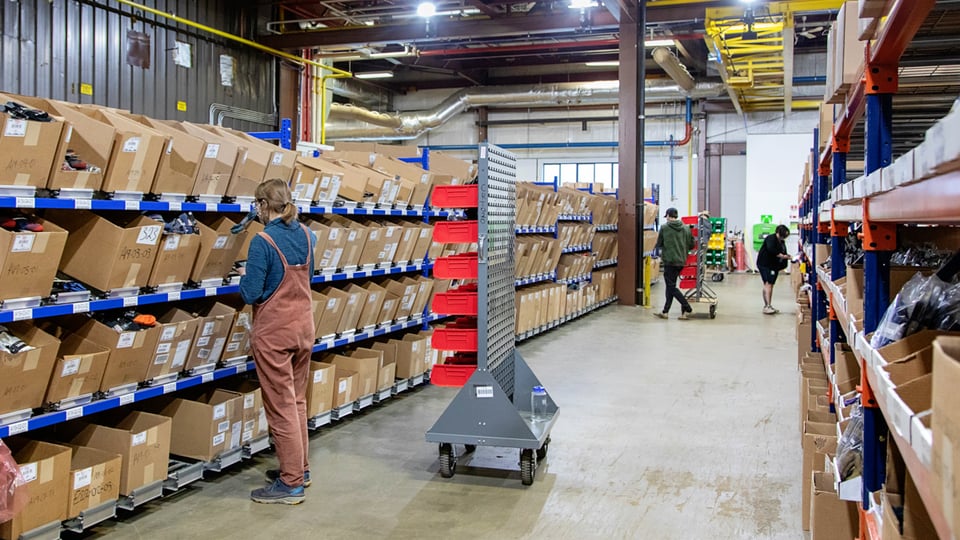
When workers spend too much time walking, reaching, and searching for inventory, productivity suffers. Static shelving can make these challenges worse by leaving products difficult to access and wasting valuable storage space.
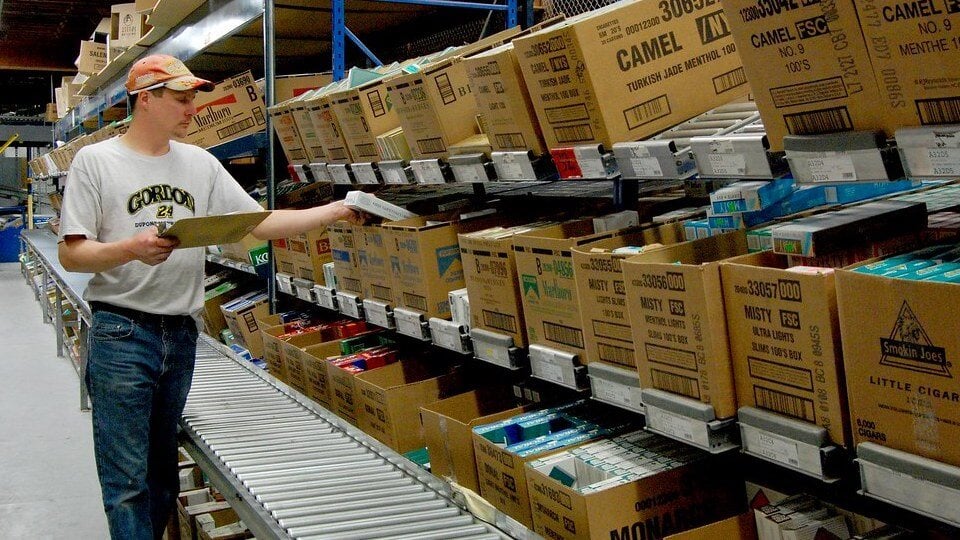
Carton flow, also known as flow racking, roller racking, and gravity flow, offers a more efficient approach. Using gravity-fed rollers or wheels, carton flow systems automatically advance inventory to the pick face as products are removed. This keeps SKUs organized, supports first-in, first-out (FIFO) inventory rotation, and keeps products within easy reach.
In this article, we'll explain how carton flow works, its advantages over static shelving, the available types, and what to consider when choosing a system for your operation.

How Does Carton Flow Work?
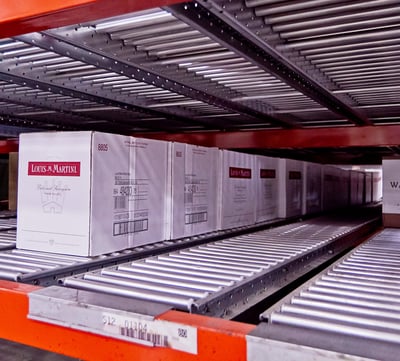
Carton flow systems use slightly inclined tracks equipped with rollers or wheels to move cartons from the replenishment side of a rack to the picking side.
The process is straightforward:
-
Load: Inventory is replenished from the rear of the rack.
-
Flow: Gravity moves cartons forward along the inclined tracks.
-
Pick: Workers retrieve products from the front of the rack.
-
Replenish: As workers remove cartons, the remaining inventory advances automatically to the pick face.
This rear-load, front-pick design supports first-in, first-out (FIFO) inventory rotation, helping ensure older inventory is picked before newer stock. Carton flow also separates picking and replenishment activities, reducing interference between workers and helping maintain a consistent inventory flow.
How is Carton Flow Installed?
Most carton flow systems can be installed in new or existing pallet racks, making them a practical option for upgrading static storage. Depending on the rack configuration, carton flow tracks are sized to fit between or on top of pallet rack beams, often replacing traditional wire decking or metal shelving.
Installation requirements for carton flow systems vary based on carton dimensions, load capacity, track length, and rack design. Evaluating these factors helps ensure proper product flow and allows facilities to improve existing storage systems without a complete redesign.

Carton Flow vs Static Shelving
Traditional static shelving is widely used in warehouses and manufacturing plants because it is relatively inexpensive, easy to configure, and suitable for storing a variety of products. However, static shelving requires workers to retrieve inventory from fixed locations, often adding walking, reaching, and searching. Carton flow addresses these challenges by bringing inventory directly to the pick face.
| Static Shelving | Carton Flow |
| Products remain in fixed locations | Products automatically advance to the pick face |
| Workers may need to reach or walk to retrieve inventory | Products remain accessible at the front of the rack |
| FIFO rotation may require additional handling | Rear loading and front picking support FIFO |
| Multiple pick facings may be required | Inventory can be consolidated into fewer pick facings |
| Picking and replenishment may compete for aisle space | Picking and replenishment can occur on opposite sides |
Benefits of Carton Flow Systems
Carton flow systems offer several advantages for warehouses, fulfillment operations, and manufacturers that want to improve productivity and use available space better.
 Improve Picking Efficiency and Reduce Labor Demands
Carton flow keeps inventory accessible at the pick face, reducing the time workers spend walking, reaching, and searching for products. By minimizing unnecessary movement and handling, operations can improve picking productivity and use labor more effectively.
Maximize Storage Space
By consolidating SKUs into organized, gravity-fed lanes, carton flow reduces storage sprawl and lets operations create more pick locations within a smaller footprint.
Support FIFO Inventory Rotation
Rear loading and front picking make it easier to maintain FIFO inventory rotation, helping operations manage product freshness and reduce the risk of overlooking older inventory.
Streamline Replenishment
Separating picking and replenishment lets workers restock inventory without disrupting picking, improving workflow and reducing congestion.
Improve Inventory Visibility
Clearly organized lanes make products easier to identify and monitor, helping workers locate inventory and recognize when replenishment is needed.

Carton Flow in Action: Thermo Fisher Scientific
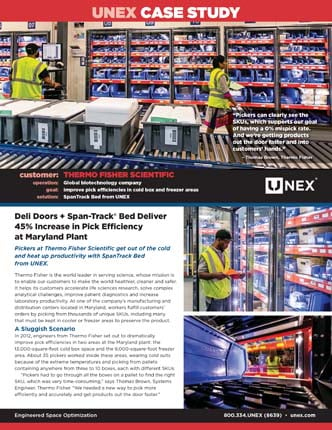
Thermo Fisher Scientific needed to improve picking efficiency in the cold storage and freezer areas of its Maryland facility. Workers spent valuable time searching through boxes on pallets to locate the right SKUs, slowing order fulfillment.
As part of a larger facility redesign, Thermo Fisher installed approximately 1,600 linear feet of UNEX SpanTrack Wheel Bed to organize 2,000 of its fastest-moving temperature-sensitive SKUs. The flexible carton flow system improved product visibility and accessibility while allowing workers to pick inventory through freezer doors.
The redesign delivered a more than 45% increase in picking efficiency, reduced replenishment time, and created a safer, more comfortable picking environment.
Learn how ThermoFisher used SpanTrack to improve picking efficiency and accuracy. Download the Case Study.
Types of Carton Flow Systems
Carton flow systems are available in different configurations to accommodate varying carton sizes, weights, storage layouts, and picking requirements. Most carton flow systems come in a variety of options, including light-duty, standard-duty, and heavy-duty; steel and aluminum rollers; and plastic wheels or steel skatewheels.
Roller Lane Carton Flow
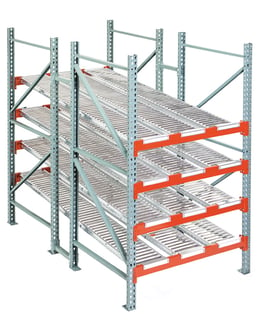
Roller carton flow systems use dedicated tracks equipped with rollers to move cartons smoothly from the replenishment side of a rack to the pick face. The rollers provide a broad contact surface that helps maintain consistent product tracking, reduces carton hang-ups, and supports reliable inventory flow.
Roller carton flow lanes are ideal for operations where carton sizes and dimensions are known and remain relatively consistent. Dedicated lanes keep products moving along a defined path, making them especially effective for established SKU assortments that don't require frequent reconfiguration. Available in light-, standard-, and heavy-duty configurations, roller lane systems accommodate different load requirements and can be installed in new or existing pallet racks to create efficient, FIFO picking locations.
Wheel Bed Carton Flow
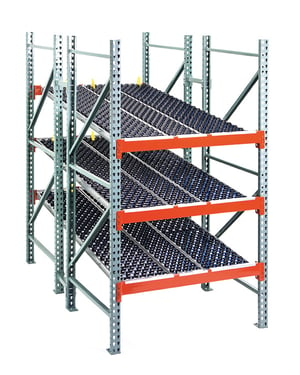
Wheel bed carton flow systems feature multiple rows of wheels that create a flexible surface for moving cartons toward the pick face. Unlike dedicated roller lanes, wheel beds accommodate cartons of varying widths, making them especially useful for operations where product dimensions and SKU profiles change frequently. This flexibility allows facilities to adjust pick locations and re-slot inventory without being restricted to fixed lane widths.
Wheel bed systems are particularly well suited for dynamic picking environments with diverse product assortments, seasonal inventory changes, or frequent SKU turnover. They can be installed directly into new or existing pallet rack structures without requiring shelves or intermediate supports, providing efficient FIFO inventory flow while allowing operations to adapt to changing storage needs.
| Roller Lane | Wheel Bed | |
| Carton Dimensions | Known and consistent | Varying widths and changing profiles |
| Configuration | Dedicated roller lanes | Flexible wheel bed surface |
| SKU Changes | Stable SKU assortments | Frequent re-slotting |
| Primary Advantage | Consistent carton tracking | Adaptability to changing inventory |
| Best Application | Dedicated picking lanes | Dynamic picking environments |
Carton Flow Shelving
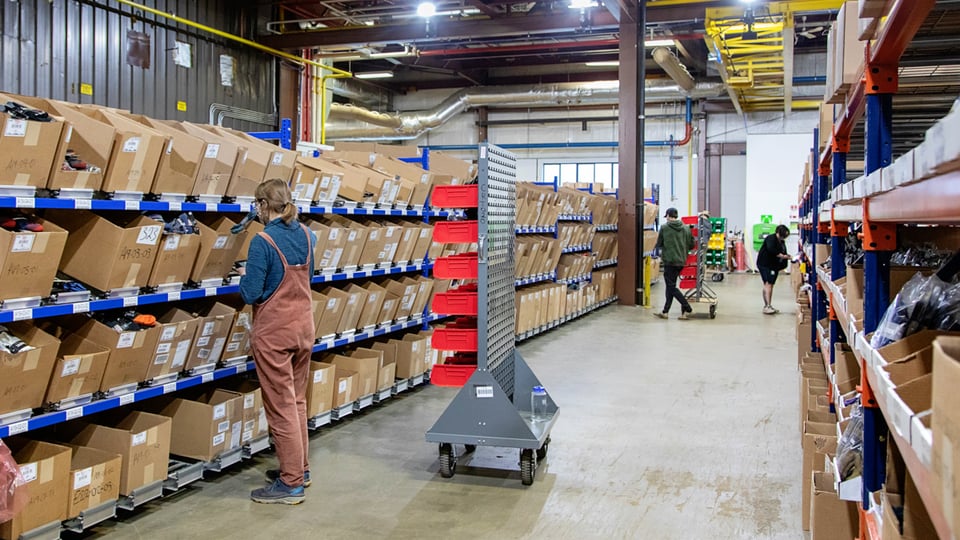
Carton flow shelving adds gravity-fed tracks to traditional shelving systems, turning static storage locations into more efficient, dynamic picking areas. As operators remove products from the front of the shelf, cartons automatically advance toward the pick face, keeping inventory organized, visible, and within easy reach. This approach is especially beneficial for operations that want to improve picking efficiency without replacing their existing shelving infrastructure.
Carton flow shelving systems can reduce unnecessary reaching and product handling, support FIFO inventory rotation, and use available shelf space more effectively. Durable roller or wheel bed tracks can also replace worn or unreliable plastic wheel rails, improving product flow while reducing maintenance and replacement needs.
How to Choose the Right Carton Flow System
Selecting the right carton flow system starts with understanding your inventory, storage layout, and picking requirements. Several factors should guide your decision:
-
Carton size and weight: Product dimensions and load requirements influence track selection and capacity.
-
Carton bottom surface: Package construction affects how smoothly products travel across rollers or wheels.
-
SKU variability: Operations with frequent SKU changes may benefit from flexible wheel bed configurations.
-
Rack dimensions: Track lengths, widths, and mounting requirements must align with the existing rack structure.
-
Picking and replenishment needs: Consider order volume, inventory turnover, and how workers access products.
-
Future flexibility: Select a configuration that can accommodate changing inventory and operational requirements.
Evaluating these factors helps ensure your carton flow system supports reliable product movement, efficient picking, and long-term flexibility.
Common Carton Flow Applications
Carton flow systems are used across many industries where efficient picking, inventory organization, and space utilization are essential. By keeping products accessible and supporting FIFO inventory rotation, carton flow helps operations reduce unnecessary movement, improve productivity, and adapt to changing inventory demands.
Order Fulfillment and Distribution
In busy order fulfillment centers, carton flow keeps high-volume SKUs organized and readily accessible at the pick face. Separating picking and replenishment activities also minimizes congestion and supports continuous order flow.
eCommerce Fulfillment
eCommerce operations often manage large SKU assortments and high volumes of small, multi-item orders. Flexible configurations also make it easier to accommodate changing product assortments, seasonal demand, and fluctuating order volumes.
Retail Replenishment
Retail distribution operations need to move inventory efficiently while maintaining accurate product rotation. Carton flow keeps merchandise visible and accessible, and simplifies replenishment.
Manufacturing and Assembly
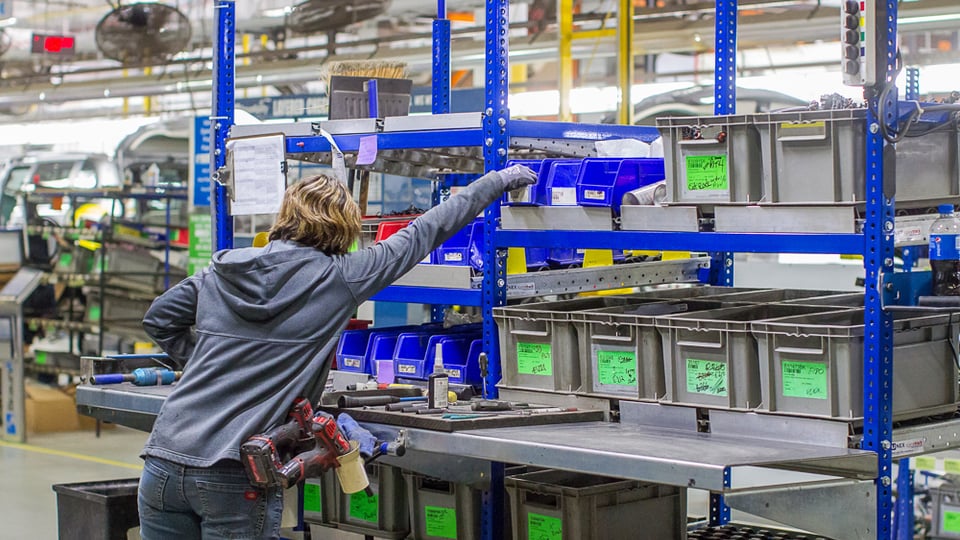
In manufacturing environments, carton flow helps deliver parts and components directly to the point of use. Carton flow also supports lean manufacturing practices by improving material presentation, simplifying replenishment, and maintaining a consistent supply of parts to assembly and production lines.
UNEX Carton Flow Solutions
SpanTrack Lane Carton Flow Rollers
SpanTrack Lane carton flow rollers are dedicated carton flow lanes that can be easily added to any new or existing pallet rack structures. SpanTrack Lane is a strong, sturdy solution that maximizes surface contact to optimize carton flow and eliminate hang-ups on the track. SpanTrack Lane lets operations store products with a wide range of sizes and weights. Light, standard, and heavy-duty carton flow options are available, and customizable end treatments allow for easy attachment to any pallet rack setup.
SpanTrack Carton Flow Wheel Beds
SpanTrack Wheel Bed provides a flexible carton flow surface for operations with changing SKU assortments and carton dimensions. Available in light-, standard-, and heavy-duty configurations, it installs directly into new or existing pallet rack structures without requiring shelves or intermediate supports. Its adaptable design makes it easy to reconfigure pick locations as inventory needs change.
Shelf Track Carton Flow Shelving
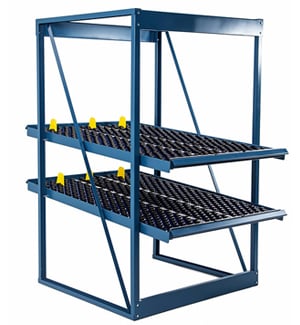
Shelf Track is a carton flow shelving solution that replaces unreliable plastic wheel rails. This durable, dependable carton flow shelving system easily fits into existing racks to save time, money, and aggravation. Replacing old, unreliable plastic wheel rails can boost your operation's overall efficiency. Use with any shelf to achieve reliable flow and create an easy-to-reach pick point. Shelf Track carton flow shelving also minimizes maintenance and replacement costs because it doesn't fail, like its plastic wheel-rail predecessor.
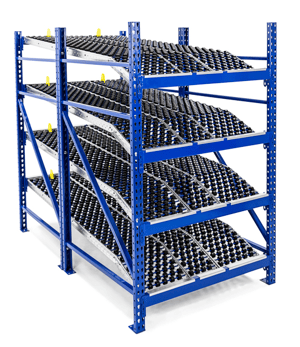 Roller Rack
 is a stand-alone carton flow rack system that uses gravity-fed storage to keep inventory organized, accessible, and moving efficiently through picking operations. Using gravity-fed rollers or wheel beds, Roller Rack supports FIFO inventory rotation and reduces unnecessary worker movement. Its flexible configurations accommodate a variety of carton sizes and storage requirements, helping operations maximize space, streamline replenishment, and adapt to changing inventory needs.
Frequently Asked Questions About Carton Flow
What is the difference between carton flow and pallet flow?
Carton flow is designed primarily for cartons, cases, and smaller inventory used in picking operations. Pallet flow systems store and move full pallet loads.
Can carton flow be installed in existing pallet racks?
Yes. Many carton flow systems can be installed directly into new or existing pallet rack structures, often replacing traditional static shelving.
What products work best with carton flow systems?
Carton flow is well suited for cartons, cases, totes, and other packaged inventory that can travel reliably across gravity-fed rollers or wheels. Product weight, dimensions, bottom surface, and load stability affect which track configuration performs best.
How do I determine the right carton flow track length?
Track length depends on the existing rack dimensions, the number of cartons stored per lane, and the space needed for picking and replenishment. Proper track selection also considers product weight and the slope required for reliable carton movement.
How do I determine the right carton flow track width?
The right carton flow track width depends on your carton dimensions, the consistency of your SKU sizes, and your storage configuration. Dedicated roller lanes are ideal for cartons with known, consistent widths, while wheel beds offer greater flexibility for varying carton sizes and frequent SKU changes. Selecting the appropriate width helps maintain reliable product flow and maximize available rack space.
What types of operations benefit from carton flow?
Carton flow is commonly used in order fulfillment, distribution, retail replenishment, eCommerce, and manufacturing operations where efficient picking and inventory movement are important.
Design Your Carton Flow System
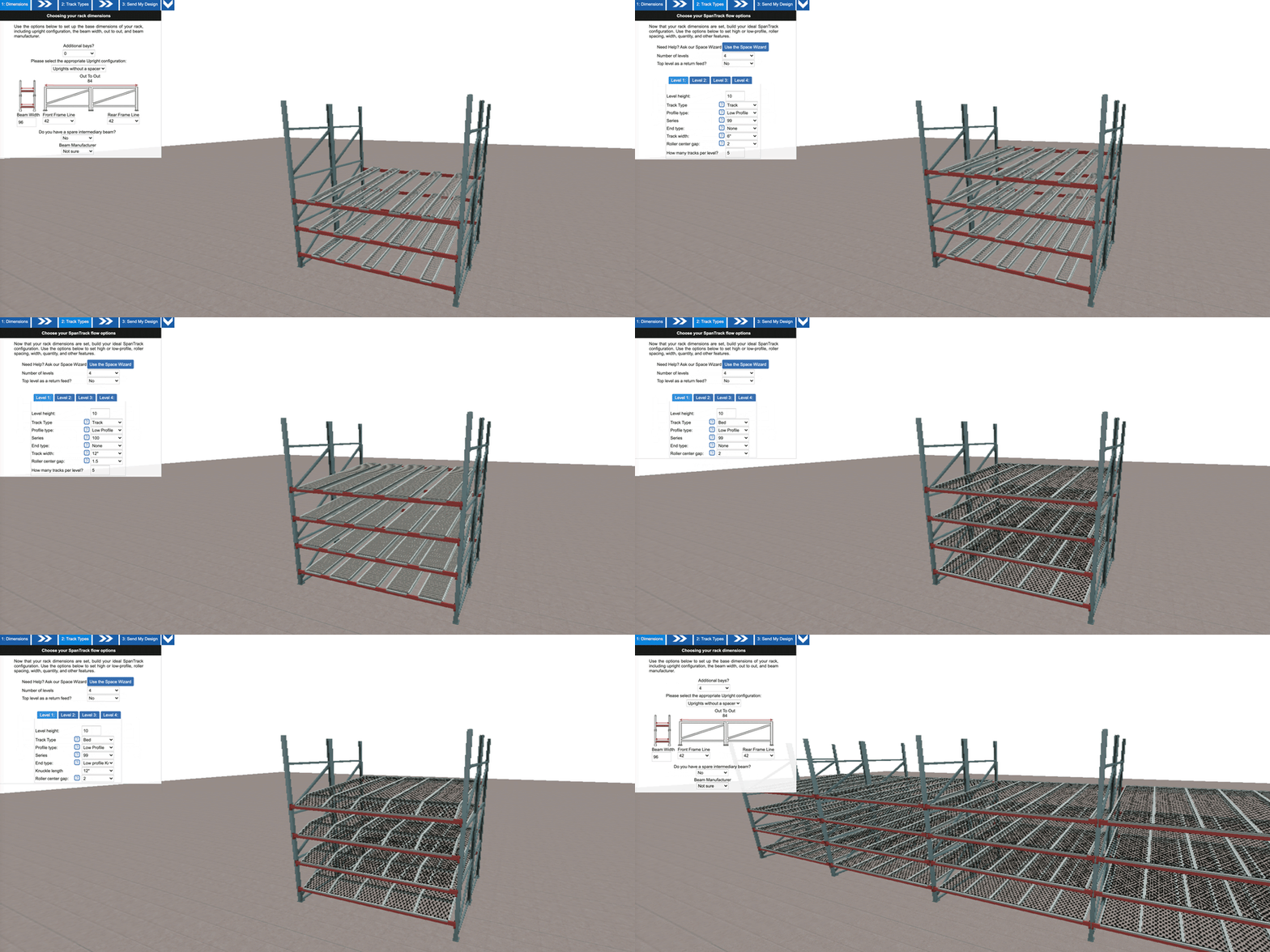
Our SpanTrack configurator allows users to design their own carton flow systems! This free design tool gives you a 3D sandbox environment to experiment with different carton flow configurations. Just provide your rack dimensions and features. Then start designing by selecting track types that match your specific needs. Test different carton flow styles, end treatments, and more to build a solution tailored to your operation. When you're finished, we will send you a free 3D drawing of your configuration straight to your inbox. Whether you're replacing an older, used carton flow system or starting fresh with a DIY carton flow design, the SpanTrack configurator is a great place to start.
Find the Right Carton Flow Solution for Your Operation
Every facility has different inventory, picking, and replenishment requirements. Choosing the right carton flow system starts with understanding your product dimensions, SKU profiles, rack configuration, and operational goals.
UNEX offers customizable carton flow solutions and engineering support to help you identify the right system for your application.
Explore the SpanTrack Design Tool to create a carton flow configuration for your existing rack, or contact UNEX to discuss your project with our Space Optimization Experts.