---
title: "Overproduction in Lean Manufacturing: Solutions"
description: Discover the causes, consequences, and strategies to tackle overproduction in lean manufacturing, minimizing waste through dynamic storage solutions.
image: https://blog.unex.com/hubfs/Imported_Blog_Media/UNEX-Braunability-1053-R-2.jpg
---
[Skip to content](https://blog.unex.com/overproduction-lean-manufacturing-causes-consequences-solutions#main-content)
[](https://www.unex.com/)
- [Applications](https://www.unex.com/applications)
- Storage
- [Warehouse Storage](https://www.unex.com/applications/storage/warehouse-storage)
- [Storage for 3PLs](https://www.unex.com/applications/storage/storage-3pls)
- [Retail Storage Solutions](https://www.unex.com/applications/storage/retail-storage)
- [Lineside Storage](https://www.unex.com/applications/packing-assembly/lineside-storage)
- [Beverage Storage](https://www.unex.com/applications/storage/beverage-storage)
- [Keg Storage](https://www.unex.com/applications/storage/keg-storage)
- Picking
- [Order Picking](https://www.unex.com/applications/picking/order-picking)
- [Case Picking](https://www.unex.com/applications/picking/case-picking)
- [Each Picking](https://www.unex.com/applications/picking/each-picking)
- [Picking Carts](https://www.unex.com/applications/picking/picking-carts)
- [Pick Module](https://www.unex.com/applications/picking/pick-module)
- Packing & Assembly
- [Industrial Carts](https://www.unex.com/applications/packing-assembly/industrial-carts)
- [Packing Stations](https://www.unex.com/applications/packing-assembly/packing-station)
- [Industrial Workstations](https://www.unex.com/applications/packing-assembly/industrial-workstations)
- [Manufacturing Supermarkets](https://www.unex.com/applications/packing-assembly/manufacturing-supermarkets)
- [Solutions](https://www.unex.com/solutions)
- [Carton Flow](https://www.unex.com/solutions/carton-flow)
- [SpanTrack Lane](https://www.unex.com/solutions/carton-flow/spantrack-lane)
- [SpanTrack Wheel Bed](https://www.unex.com/solutions/carton-flow/spantrack-wheel-bed)
- [SpanTrack Keg Flow](https://www.unex.com/solutions/carton-flow/spantrack-keg-flow)
- [Shelf Track](https://www.unex.com/solutions/carton-flow/shelf-track)
- [Flow Racks](https://www.unex.com/solutions/flow-racks)
- [FlowCell](https://www.unex.com/solutions/flow-racks/flowcell)
- [Roller Rack](https://www.unex.com/solutions/flow-racks/roller-rack)
- [High-Density Storage](https://www.unex.com/solutions/high-density-storage)
- [SpeedCell](https://www.unex.com/solutions/high-density-storage/speedcell)
- [SpeedCartt](https://www.unex.com/solutions/high-density-storage/speedcartt)
- [Pick Shelves](https://www.unex.com/solutions/high-density-storage/pick-shelves)
- [Conveyors](https://www.unex.com/solutions/conveyors)
- [Gravity Conveyor](https://www.unex.com/solutions/conveyors/gravity-conveyors)
- [Pallet Track](https://www.unex.com/solutions/conveyors/pallet-track)
- [About](https://www.unex.com/about)
- [Resources](https://www.unex.com/resources)
- [Blog](https://blog.unex.com)
- [Press Releases](https://blog.unex.com/press-releases)
- [Guides](https://www.unex.com/resources/guides)
- [Product Brochures](https://www.unex.com/resources/product-brochures)
- [Installation Guides](https://www.unex.com/resources/installation-guides)
- [Case Studies](https://www.unex.com/resources/case-studies)
- [FAQs](https://go.unex.com/faq)
[Contact Us](https://www.unex.com/contact) [Build a Solution](https://www.unex.com/configurator)
- [Applications](https://www.unex.com/applications)
- Storage
- [Warehouse Storage](https://www.unex.com/applications/storage/warehouse-storage)
- [Storage for 3PLs](https://www.unex.com/applications/storage/storage-3pls)
- [Retail Storage Solutions](https://www.unex.com/applications/storage/retail-storage)
- [Lineside Storage](https://www.unex.com/applications/packing-assembly/lineside-storage)
- [Beverage Storage](https://www.unex.com/applications/storage/beverage-storage)
- [Keg Storage](https://www.unex.com/applications/storage/keg-storage)
- Picking
- [Order Picking](https://www.unex.com/applications/picking/order-picking)
- [Case Picking](https://www.unex.com/applications/picking/case-picking)
- [Each Picking](https://www.unex.com/applications/picking/each-picking)
- [Picking Carts](https://www.unex.com/applications/picking/picking-carts)
- [Pick Module](https://www.unex.com/applications/picking/pick-module)
- Packing & Assembly
- [Industrial Carts](https://www.unex.com/applications/packing-assembly/industrial-carts)
- [Packing Stations](https://www.unex.com/applications/packing-assembly/packing-station)
- [Industrial Workstations](https://www.unex.com/applications/packing-assembly/industrial-workstations)
- [Manufacturing Supermarkets](https://www.unex.com/applications/packing-assembly/manufacturing-supermarkets)
- [Solutions](https://www.unex.com/solutions)
- [Carton Flow](https://www.unex.com/solutions/carton-flow)
- [SpanTrack Lane](https://www.unex.com/solutions/carton-flow/spantrack-lane)
- [SpanTrack Wheel Bed](https://www.unex.com/solutions/carton-flow/spantrack-wheel-bed)
- [SpanTrack Keg Flow](https://www.unex.com/solutions/carton-flow/spantrack-keg-flow)
- [Shelf Track](https://www.unex.com/solutions/carton-flow/shelf-track)
- [Flow Racks](https://www.unex.com/solutions/flow-racks)
- [FlowCell](https://www.unex.com/solutions/flow-racks/flowcell)
- [Roller Rack](https://www.unex.com/solutions/flow-racks/roller-rack)
- [High-Density Storage](https://www.unex.com/solutions/high-density-storage)
- [SpeedCell](https://www.unex.com/solutions/high-density-storage/speedcell)
- [SpeedCartt](https://www.unex.com/solutions/high-density-storage/speedcartt)
- [Pick Shelves](https://www.unex.com/solutions/high-density-storage/pick-shelves)
- [Conveyors](https://www.unex.com/solutions/conveyors)
- [Gravity Conveyor](https://www.unex.com/solutions/conveyors/gravity-conveyors)
- [Pallet Track](https://www.unex.com/solutions/conveyors/pallet-track)
- [About](https://www.unex.com/about)
- [Resources](https://www.unex.com/resources)
- [Blog](https://blog.unex.com)
- [Press Releases](https://blog.unex.com/press-releases)
- [Guides](https://www.unex.com/resources/guides)
- [Product Brochures](https://www.unex.com/resources/product-brochures)
- [Installation Guides](https://www.unex.com/resources/installation-guides)
- [Case Studies](https://www.unex.com/resources/case-studies)
- [FAQs](https://go.unex.com/faq)
[Contact Us](https://www.unex.com/contact) [Build a Solution](https://www.unex.com/configurator)
# Tackling Overproduction in Lean Manufacturing: Causes, Consequences, and Solutions
#### Key Takeaways
- Producing more, sooner, or faster than customer demand leads to excess inventory, higher storage and labor costs, workflow bottlenecks, and reduced profitability.
- Better forecasting, pull-based systems, visual management, and value-focused performance metrics help manufacturers align production with actual demand instead of relying on excess inventory.
- Dynamic storage solutions that improve inventory visibility, support FIFO flow, and right-size lineside and warehouse inventory help prevent overproduction while maximizing space, improving material flow, and increasing operational efficiency.
Overproduction is often considered the most dangerous of the [seven wastes in lean manufacturing](https://blog.unex.com/the-7-lean-wastes). It occurs when businesses produce more than is required, earlier than is needed, or faster than demand justifies. While producing extra units may seem like a buffer against shortages, overproduction creates inefficiencies that ripple across the supply chain. From clogging up valuable floor space to driving unnecessary costs, overproduction undermines operational efficiency and profitability.
In today’s competitive [manufacturing environment](https://www.unex.com/industries/manufacturing), where supply chains must be agile and lean, addressing overproduction is essential. This article explores the causes and consequences of overproduction, strategies to mitigate it, and how [dynamic storage solutions](https://www.unex.com/dynamic-storage-solutions) help businesses align production with true demand.
## What Is Overproduction and Why Does It Matter?
Overproduction occurs when companies manufacture items in excess of what the next process or customer immediately requires. In [lean manufacturing](https://blog.unex.com/five-principles-of-lean-manufacturing), overproduction is considered the root cause of other wastes. Excess inventory requires storage, handling, and tracking, which create additional costs. [According to the Lean Enterprise Institute](https://www.lean.org/lexicon-terms/overproduction/), overproduction not only wastes materials but also conceals process problems that might otherwise be corrected.
Think about it: manufacturing a product sooner than required, or in higher quantities than needed, wastes time, labor, and materials. Having too much product on hand creates excess inventory, which drives up storage costs and can turn [seasonal goods](https://blog.unex.com/how-to-prepare-your-warehouse-for-holiday-peak-season) into scrap or send perishable products to a landfill. Any time you make more product than you can sell, you are producing volume without creating value. In other words, you are creating waste. Even practices like overfilling food packages to avoid waste create inefficiencies, misinform consumers, and increase costs.
In practice, overproduction manifests in multiple industries:
- A [manufacturing line](https://www.unex.com/industries/manufacturing) producing large batches of parts not yet needed
- A [warehouse](https://www.unex.com/applications/storage/warehouse-storage) holding seasonal inventory months before it can be sold
- An [assembly plant](https://blog.unex.com/how-flow-cell-can-shrink-your-assembly-line) building more components than downstream operations can absorb
Beyond [manufacturing](https://www.unex.com/industries/manufacturing), overproduction can also appear as organizational inefficiency: scheduling unnecessary meetings, generating reports no one reads, or duplicating processes. In every case, the result is the same: wasted time, space, and money.
## Causes and Consequences of Overproduction
One of the most common drivers of overproduction is inaccurate forecasting. When production schedules are built on flawed demand projections, businesses tend to err on the side of producing too much, believing it reduces the risk of shortages. However, inaccurate forecasts often create excess inventory that lingers on shelves.
Another cause is the reliance on batch processing rather than a [just-in-time](https://blog.unex.com/how-to-reduce-work-in-progress-wip-manufacturing) (JIT) system. Large batch runs may improve machine utilization but lead to surplus stock that does not match actual demand. Similarly, poor visibility into inventory and material flow across facilities creates disconnects between what is being produced and what is actually needed.
Cultural and organizational factors also play a role. Many businesses still measure productivity by volume rather than value, rewarding operators for how much they produce rather than how efficiently they meet demand. This mindset reinforces habits that lead to excess output.
The [costs of overproduction](https://blog.unex.com/reducing-waste-improving-productivity-lineside-storage-lean-manufacturing) are often hidden but significant. Key impacts include:
- **Excess Inventory Consumes Space: [Warehouses](https://www.unex.com/applications/storage/warehouse-storage)** and [manufacturing plants](https://www.unex.com/industries/manufacturing) must allocate valuable floor space to products that may not move for weeks or months, displacing more critical items and reducing overall efficiency.
- **Higher Handling and Labor Costs:** Every excess item must be transported, stored, and tracked. Each additional movement [increases labor needs](https://blog.unex.com/the-7-lean-wastes) and creates an opportunity for product damage or misplacement.
- **Financial Strain and Obsolescence:** Products produced too early or in excessive quantities tie up working capital in unsold goods. In fast-moving industries, this can lead to obsolescence, markdowns, or write-offs that erode profitability.
- **Workflow Bottlenecks:** Excess parts and materials often [clutter production lines](https://blog.unex.com/reducing-waste-improving-productivity-lineside-storage-lean-manufacturing), slowing throughput and causing inefficiencies that ripple across other processes.
**Related Reading:** Waiting: Always a Losing Game
[Read Now](https://blog.unex.com/waiting)
## Strategies to Reduce Overproduction
Preventing overproduction requires a shift toward leaner, more demand-driven systems. Companies can combine process improvements with engineered storage and material handling solutions to achieve lasting results. Below are several key strategies:
### 1. Improve Forecasting Accuracy
Organizations must invest in forecasting methods that leverage both historical data and real-time demand signals. Technologies such as demand sensing and predictive analytics reduce reliance on guesswork and help align production with actual customer needs. Accurate forecasting minimizes the temptation to overproduce "just in case."
### 2. Adopt Pull-Based Systems
Pull-based [replenishment methods like kanban](https://blog.unex.com/lean-manufacturing-101) ensure that materials move only when there is real demand. This aligns material flow with customer requirements and avoids premature production. When paired with dynamic storage solutions such as [FlowCell industrial workstations](https://blog.unex.com/using-flowcell-flow-racks-to-solve-common-manufacturing-challenges) reinforce right-sized replenishment at the line.
### 3. Standardize and Visualize Workflows
Visual management tools and standardized processes help operators align output with demand. Simple cues, such as visual kanban cards or digital dashboards, reduce ambiguity. Supported by modular systems like [Roller Rack](https://www.unex.com/solutions/flow-racks/roller-rack) or [SpanTrack](https://www.unex.com/solutions/carton-flow/spantrack-lane), teams can scale storage capacity up or down while keeping inventory flowing in the correct sequence.
### 4. Right-Size Inventory Storage
Excess inventory often accumulates because storage systems lack flexibility. [High-density storage solutions](https://www.unex.com/solutions/high-density-storage) like [SpeedCell](https://www.unex.com/solutions/high-density-storage/speedcell) or reconfigurable [FlowCell modular flow racks](https://www.unex.com/solutions/flow-racks/flowcell) make it easier to store the right amount of product and keep SKUs visible, reducing the risk of hidden overstock. Right-sized storage reinforces lean practices by discouraging surplus production.
### 5. Align Culture and Metrics with Value Creation
Finally, organizations must examine cultural incentives. Measuring productivity by volume encourages excess output, while measuring by value promotes efficiency. Rewarding teams for meeting demand accurately, and equipping them with tools that [support lean practices](https://blog.unex.com/lean-manufacturing-101), creates a culture where waste is actively avoided.
By combining thoughtful cultural shifts with forecasting, pull systems, visual management, and flexible storage solutions, businesses can curb overproduction. These strategies not only eliminate waste but also position organizations to be agile, customer-focused, and prepared for the challenges of a fast-changing marketplace.
## How UNEX Solutions Help Eliminate Overproduction
While cultural and planning changes are essential, the physical systems used to move and store products also play a critical role in preventing overproduction. UNEX [dynamic storage solutions](https://www.unex.com/industries/manufacturing) give organizations the flexibility and control they need to match production to demand.
[FlowCell modular flow racks](https://www.unex.com/solutions/flow-racks/flowcell) and workstations create adaptable, ergonomic environments that support lean assembly. By allowing quick reconfiguration, FlowCell helps prevent excessive batch production and ensures that only the required parts are kept at the line.
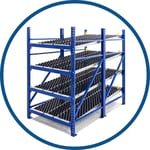[Roller Rack](https://www.unex.com/solutions/flow-racks/roller-rack) provides carton flow structures that streamline replenishment and support FIFO processes. By keeping inventory organized and flowing smoothly, Roller Rack reduces wasted motion and ensures operators only work with what is needed at the right time.
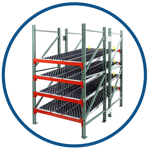[SpanTrack carton flow racks](https://www.unex.com/solutions/carton-flow) drop easily into existing structures to create efficient, [FIFO storage lanes](https://blog.unex.com/how-to-implement-an-effective-fifo-strategy-in-your-operation). This improves visibility, supports lean picking processes, and helps organizations avoid stockpiling or bypassing older inventory.
Together, these solutions empower organizations to run leaner, reduce waste, and eliminate the inefficiencies tied to overproduction.
## Minimize Waste with Lean Manufacturing
Minimizing overproduction is not simply about reducing output; it is about balancing volume with value so that production aligns precisely with demand. The goal is to ensure that what you make is available, accessible, and acceptable when and where it is needed. Anything beyond that creates waste.
Lean manufacturing is built on the idea of creating more value for customers with fewer resources. At UNEX, [lean principles](https://blog.unex.com/lean-manufacturing-101) are integral not only to our internal processes but also to the solutions we engineer for our customers. [FlowCell](https://www.unex.com/solutions/flow-racks/flowcell), [Roller Rack](https://www.unex.com/solutions/flow-racks/roller-rack), and [SpanTrack](https://www.unex.com/solutions/carton-flow/spantrack-lane) are all designed to maximize space, improve flow, and ensure that inventory is produced, stored, and accessed only when required.
By embracing lean thinking and equipping operations with the right systems, businesses can tackle overproduction head-on. The result is not just less waste, but a resilient, efficient operation that delivers measurable value to customers and long-term profitability. [Contact us](https://www.unex.com/contact) to learn more about how UNEX can help your business boost productivity and maximize storage space within your operation.
[](https://cta-redirect.hubspot.com/cta/redirect/4747213/bd24f731-5bc2-43b6-9ca9-7b2cb8868f69)
[Manufacturing](https://blog.unex.com/tag/manufacturing) [FlowCell](https://blog.unex.com/tag/flowcell)
## Related Blogs
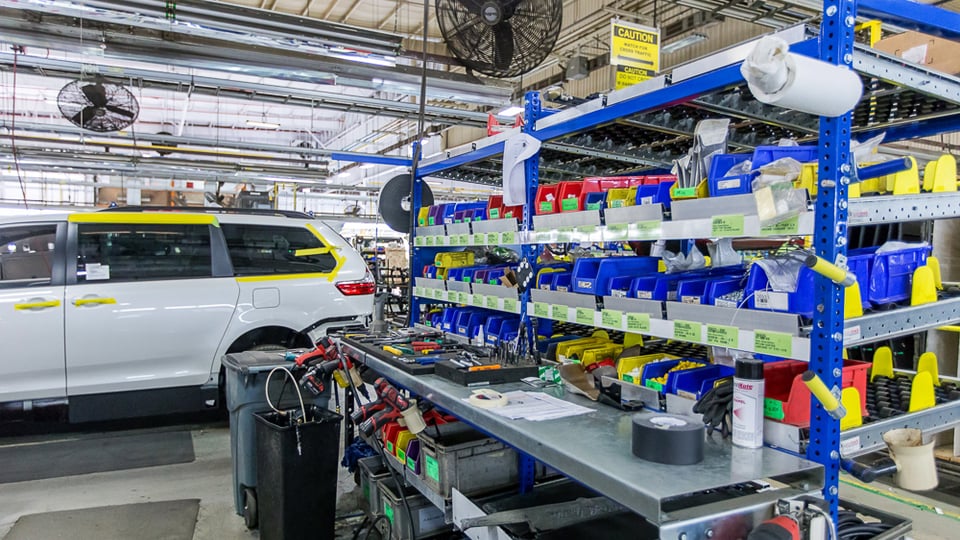
### How Manufacturers Improve Lineside Storage and Productivity With Flow Racks
[Read More](https://blog.unex.com/how-manufacturers-improve-lineside-storage-and-productivity-with-flow-racks)
### Packing Stations 101: What They Are and Why They Matter in Order Fulfillment
[Read More](https://blog.unex.com/packing-stations-101-what-they-are-and-why-they-matter-in-order-fulfillment)
[](https://blog.unex.com/)
- - [Applications](https://www.unex.com/applications)
- [Storage](https://blog.unex.com/applications#storage)
- [Order Picking](https://blog.unex.com/applications#picking)
- [Packing & Assembly](https://blog.unex.com/applications#packing)
- [Solutions](https://www.unex.com/solutions)
- [Carton Flow](https://www.unex.com/solutions/carton-flow)
- [Flow Racks](https://www.unex.com/solutions/flow-racks)
- [High-Density Storage](https://www.unex.com/solutions/high-density-storage)
- [Conveyors](https://www.unex.com/solutions/conveyors)
- - Industries
- [Manufacturing](https://www.unex.com/industries/manufacturing)
- [Order Fulfillment & Warehousing](https://www.unex.com/industries/order-fulfillment-warehousing)
- [Retail](https://www.unex.com/industries/retail)
- [Logistics](https://www.unex.com/industries/logistics)
- [About](https://www.unex.com/about)
- [Find a Distributor](https://go.unex.com/find-material-handling-distributor)
- [Distributor Portal](https://go.unex.com/distributors)
- [Careers](https://go.unex.com/careers)
- - [Build a Solution](https://www.unex.com/configurator)
- [Contact Us](https://www.unex.com/contact)
- [Resources](https://www.unex.com/resources)
[800-334-8639](tel:8003348639)
691 New Hampshire Ave Lakewood, NJ 08701
[Privacy Policy](https://www.unex.com/legal/privacy-policy)|[Terms of Service](https://www.unex.com/legal/terms-service)
[Sitemap](https://www.unex.com/sitemap)|[Warranty](https://www.unex.com/legal/warranty)
© UNEX Manufacturing. 2026 All Rights Reserved.
```json
{
"@context" : "https://schema.org",
"@type" : "BlogPosting",
"author" : {
"@type" : "Person",
"name" : "UNEX",
"url" : "https://blog.unex.com/author/unex"
},
"dateModified" : "2026-09-21T20:24:02.518Z",
"datePublished" : "2018-12-11T13:31:19.000Z",
"headline" : "Overproduction in Lean Manufacturing: Solutions",
"image" : [ "https://blog.unex.com/hubfs/Imported_Blog_Media/UNEX-Braunability-1053-R-2.jpg" ],
"mainEntityOfPage" : {
"@id" : "https://blog.unex.com/overproduction-lean-manufacturing-causes-consequences-solutions",
"@type" : "WebPage"
},
"publisher" : {
"@type" : "Organization",
"logo" : {
"@type" : "ImageObject",
"url" : "https://blog.unex.com/hubfs/unex_logo_061013_RGB_Medium-1.jpg"
},
"name" : "UNEX Manufacturing Inc"
}
}
```